
Airbnb operational restrictions are the legally binding and platform-enforced rules that determine how, when, and under what conditions a host can rent a property on Airbnb. The industry standard term for this framework is short-term rental (STR) compliance, and it covers everything from municipal permits and zoning laws to Airbnb’s own service policies. In 2026, these rules have grown more specific, more enforced, and more consequential for hosts who ignore them. Understanding them is not optional. It is the foundation of a legally protected, profitable listing.
What are the main categories of Airbnb operational restrictions?
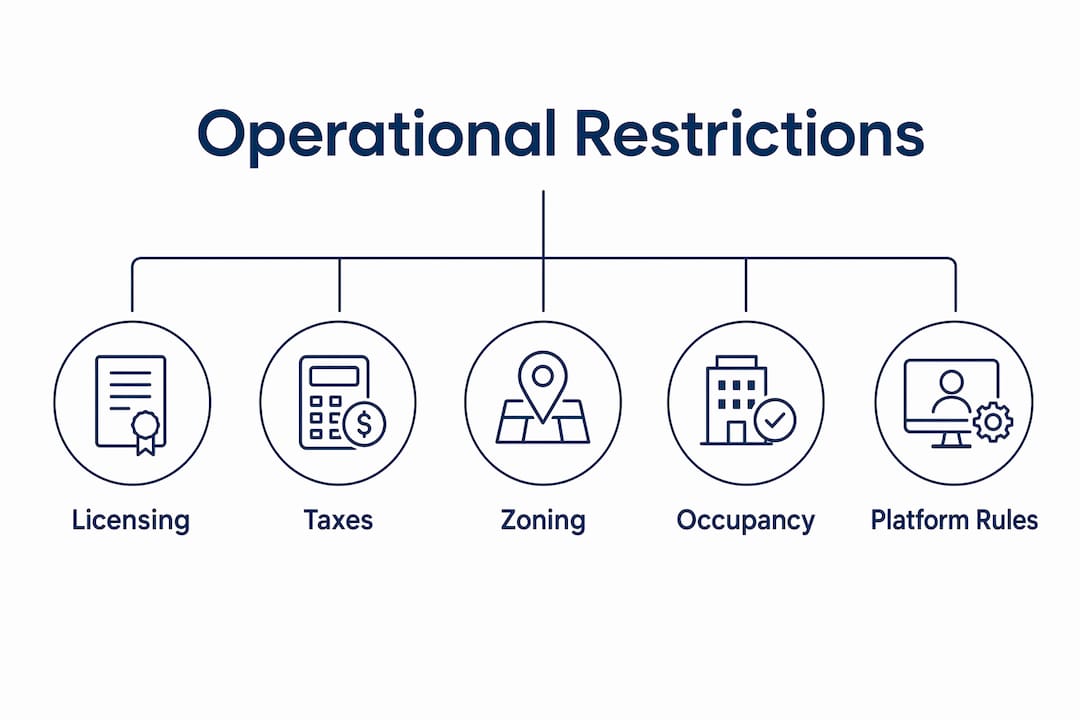
Short-term rental regulations in the U.S. fall into five core, overlapping categories: licensing and permits, lodging taxes, zoning and density rules, occupancy and safety standards, and operational restrictions. Municipal-level rules are typically the most variable and stringent within this framework. Each category carries its own compliance requirements, and failing any one of them can result in fines, forced delisting, or permanent suspension.
The table below summarizes each category and what hosts typically face within each:
| Category | Common requirements |
|---|---|
| Licensing and permits | Registration with local authority, permit number on listing, annual renewal |
| Lodging taxes | Transient occupancy tax collection and remittance to local government |
| Zoning and density rules | Permitted zones, primary residency requirements, caps on rental units per block |
| Occupancy and safety standards | Guest limits by bedroom count, smoke detectors, carbon monoxide alarms, fire extinguishers |
| Operational restrictions | Noise curfews, parking limits, trash rules, minimum stay requirements |
Occupancy limits are typically tied to bedroom count and fire code standards, with noise and parking restrictions added to protect neighborhood quality of life. These rules exist because municipalities are trying to balance housing availability with community stability, not simply restrict hosts for its own sake.
Pro Tip: Before listing a property, pull the specific municipal code for your city or county. Airbnb’s own platform does not provide legally accurate local compliance details. Official municipal websites are the authoritative source.
How do local regulations and private community rules shape restrictions?
Airbnb legal restrictions operate across multiple jurisdictional layers: state law sets the baseline, county rules add specificity, and city ordinances are usually the most detailed and strictly enforced. This layered structure means a property that is legal under state law may still be prohibited under a city zoning ordinance. Hosts must check all three levels before assuming a listing is compliant.
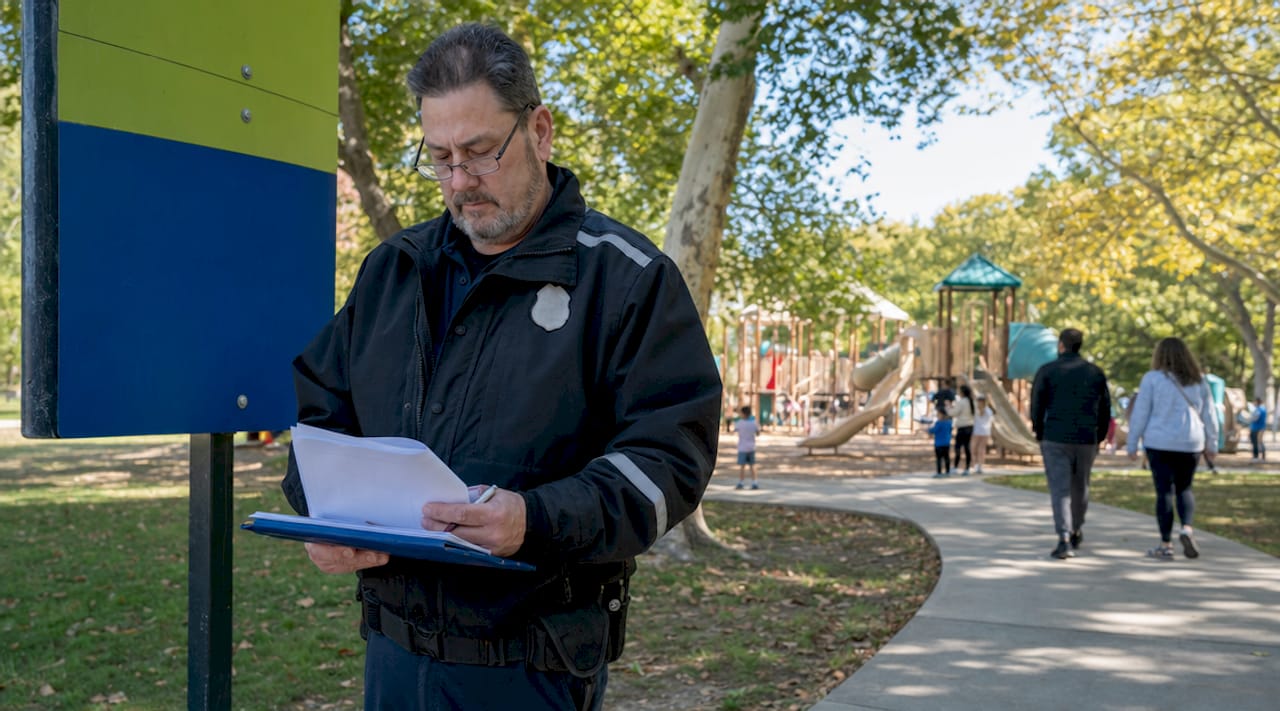
Licensing and registration are increasingly mandatory across U.S. cities. Most jurisdictions now require hosts to obtain a short-term rental permit, register the property with the local authority, complete annual renewals, and display a valid permit number on the listing itself. Missing any of these steps exposes a host to enforcement action.
Zoning rules determine where rentals are legally permitted. Some cities restrict STRs to owner-occupied primary residences only, which eliminates investment properties from the equation entirely. Others cap the number of permitted rentals per residential block or neighborhood, creating density limits that can close the door even for hosts who meet every other requirement. You can review how zoning rules affect STRs in detail before committing to a market.
Private governing documents add another layer that many hosts overlook entirely. HOA covenants and condo board bylaws can override local government permissions and prohibit short-term rentals outright. These rules are strictly enforced and legally binding, meaning a city permit does not protect a host from HOA penalties. Before listing any property in a managed community, read the CC&Rs carefully.
Key compliance checkpoints every host should verify before going live:
- Confirm the property sits in a zone that permits short-term rentals
- Check whether a primary residency requirement applies
- Obtain the required municipal permit and display the permit number on the listing
- Review HOA or condo board documents for any STR prohibition or restriction
- Verify transient occupancy tax registration and remittance obligations
- Confirm occupancy limits, noise curfews, and parking rules specific to your address
Municipal enforcement includes fines, permit suspension, forced listing removal, and sometimes permanent bans for repeated violations. These consequences are severe enough to end a hosting business entirely. Most enforcement is complaint-driven, which means neighbor relations are a direct compliance variable, not just a courtesy concern.
Pro Tip: Search your city’s official website for “short-term rental ordinance” plus your city name. Most municipalities publish the full text of their STR regulations, permit applications, and fee schedules in one place.
What platform policies does Airbnb impose on hosts in 2026?
Airbnb’s own operating guidelines function as a second compliance layer on top of local law. Ignoring platform rules can cost a host their listing even when local permits are fully in order. The 2026 Terms of Service update introduced several changes that directly affect how hosts manage their properties and finances.
The updated fee structure works as follows:
- Airbnb deducts a 14-16% host service fee directly from each payout, replacing the previous split-fee model.
- All stays under 28 nights are subject to a mandatory 24-hour free cancellation window for guests, regardless of the host’s chosen cancellation policy.
- Airbnb retired the Strict cancellation policy entirely and introduced scaled penalties for hosts who cancel confirmed reservations.
- Repeated host cancellations trigger escalating penalties, including reduced search visibility and potential account suspension.
- Damage claims now require documented evidence submitted through the platform’s Resolution Center within a defined window after checkout.
Beyond fees and cancellations, Airbnb’s ranking algorithm uses over 800 signals to determine search visibility. Active management behaviors, including calendar updates, fast guest responses, and consistent booking acceptance rates, directly affect where a listing appears in search results. Listings without recent activity are deprioritized. The 2026 update also formalizes the use of AI-driven personalized search results, making active listing management more critical than ever for maintaining visibility in a competitive market.
Platform rules and local regulations interact in ways that can catch hosts off guard. A city may permit a minimum stay of one night, but a host who sets a 30-night minimum to avoid the 24-hour cancellation window may find their listing suppressed by the algorithm for low booking rates. Understanding both layers together is the only way to make informed decisions about listing configuration.
What practical steps ensure compliance with Airbnb rental conditions?
Compliance with Airbnb rental conditions is an ongoing operational task, not a one-time setup. Hosts who treat it as a checklist to complete at launch and then ignore are the ones who face enforcement actions six months later. The following steps reflect what responsible, sustainable hosting looks like in 2026.
- Verify zoning before listing. Confirm the property type and address are in a permitted zone. Check whether primary residency rules apply. Review local ordinances specific to your city before signing any lease or purchase agreement.
- Obtain and renew permits on schedule. Most cities require annual renewal. Set calendar reminders 60 days before expiration. Display the permit number on your listing as required.
- Install required safety equipment. Smoke detectors, carbon monoxide alarms, and fire extinguishers are legally mandated in most jurisdictions. Document installation with photos and keep records.
- Secure STR-specific insurance. Standard homeowner insurance typically excludes short-term rental liability. Dedicated STR insurance or riders with $500,000 to $1,000,000 in liability coverage are generally required to protect against guest injury claims. Airbnb’s AirCover program provides limited supplemental cover but does not replace a standalone policy.
- Manage your listing actively. Update your calendar regularly, respond to inquiries within an hour when possible, and maintain a high acceptance rate to protect your search ranking.
- Monitor regulatory updates. Municipal STR ordinances change frequently. Subscribe to your city’s planning department updates or use a compliance platform to receive alerts when rules change in your market.
- Maintain good neighbor relations. Most enforcement is complaint-driven. Proactive communication with neighbors, clear house rules for guests, and a responsive approach to noise or parking issues reduce the likelihood of complaints that trigger inspections.
Regulatory compliance is a hyper-local research project. Official municipal websites provide the most accurate and current information. Relying on Airbnb’s platform for legal compliance details is a documented risk, as the platform does not guarantee accuracy for local rules.
Pro Tip: Build a compliance calendar with renewal dates, tax remittance deadlines, and policy review checkpoints for each property. For multi-property portfolios, a dedicated compliance dashboard saves significant time and reduces the risk of missed deadlines.
Key takeaways
Defining Airbnb operational restrictions requires understanding five regulatory categories, two layers of private rules, and Airbnb’s own platform policies, all of which must be managed simultaneously and updated continuously.
| Point | Details |
|---|---|
| Five core categories | Licensing, taxes, zoning, occupancy standards, and operational rules each carry distinct compliance requirements. |
| HOA rules override permits | A valid city permit does not protect a host from HOA or condo board prohibitions on short-term rentals. |
| 2026 platform fee update | Airbnb now deducts a 14-16% service fee from payouts and mandates a 24-hour cancellation window for stays under 28 nights. |
| Insurance gap is a real risk | Standard homeowner policies exclude STR liability; dedicated coverage of $500K to $1M is the standard for protected hosting. |
| Compliance is ongoing | Permit renewals, tax remittance, and regulatory monitoring must be treated as recurring operational tasks, not one-time setup steps. |
Why most hosts underestimate the complexity of STR compliance
From working closely with short-term rental hosts across multiple markets, the most consistent mistake I see is treating compliance as a launch task rather than an operational discipline. A host gets their permit, lists the property, and assumes the hard work is done. Then six months later, the city updates its noise ordinance, the HOA sends a cease-and-desist, or Airbnb flags the listing for a missing permit number. The consequences are always more disruptive than the original compliance work would have been.
What surprises most hosts is how much private governing documents matter. I have seen hosts with valid municipal permits lose their listings because they never read their HOA’s CC&Rs. The city said yes. The HOA said no. The HOA won. This is not an edge case. It is a common outcome in managed communities, and it is entirely avoidable with proper upfront research.
The other underestimated factor is the relationship between platform compliance and local compliance. Hosts who configure their listings purely around Airbnb’s algorithm without accounting for local minimum stay rules, or who set policies that technically comply with local law but trigger platform penalties, end up caught between two sets of rules. The only way to avoid that trap is to understand both frameworks together, not in isolation.
Municipalities are also shifting their approach. Rather than broad bans, many are moving toward balancing frameworks that assess nuisance impacts and reward responsible management. That is actually good news for hosts who operate professionally. It means compliance is not just about avoiding penalties. It is increasingly a competitive advantage.
— Jure
How Strcomply simplifies Airbnb compliance management
Keeping up with Airbnb property regulations across multiple jurisdictions is time-consuming and high-stakes. Strcomply is built specifically to reduce that burden for individual hosts and property managers alike.
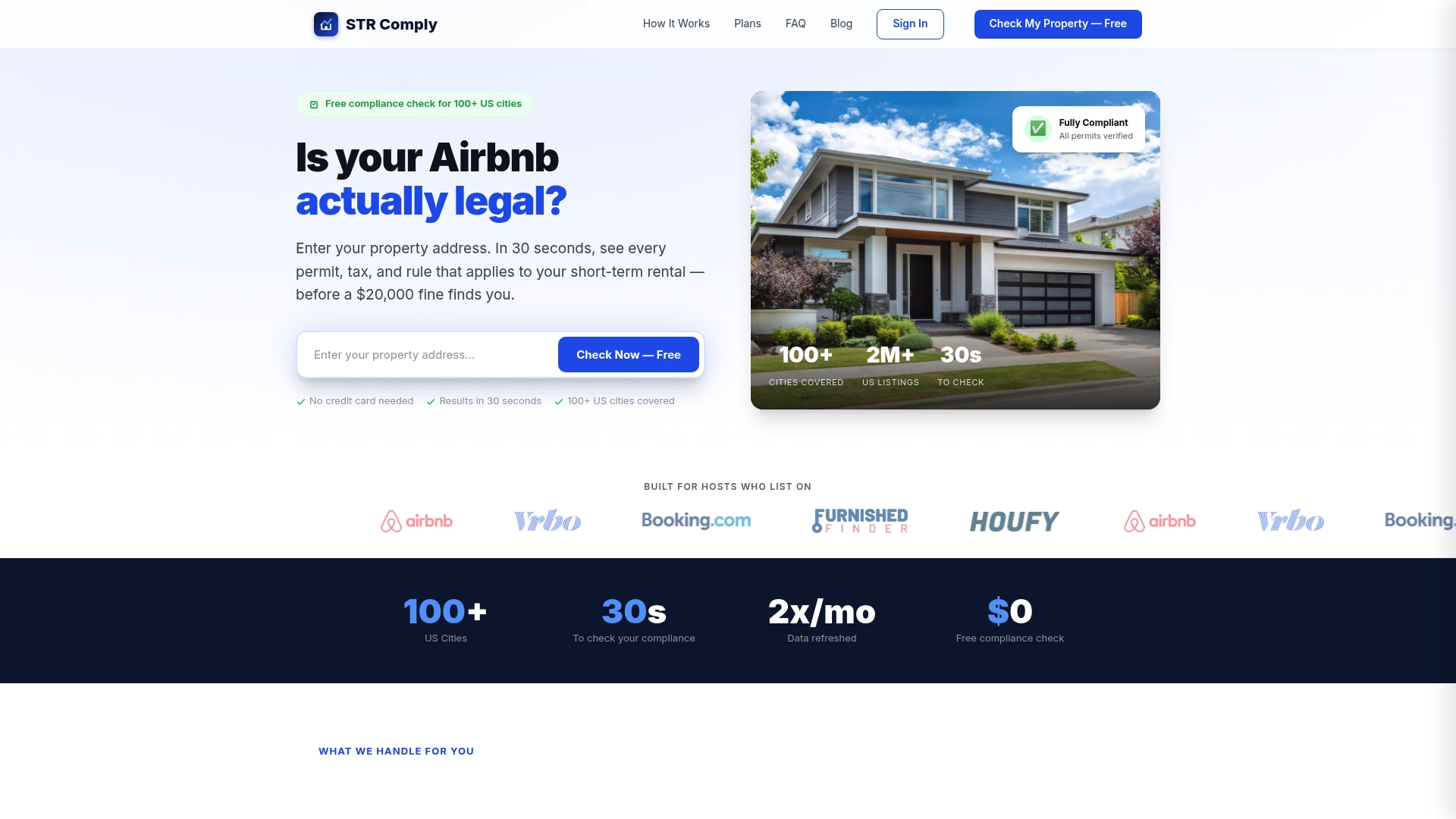
Strcomply’s free compliance check tool gives you an instant, city-specific summary of permit requirements, zoning rules, tax obligations, and operational restrictions for any U.S. address. Paid plans add a full portfolio dashboard with permit tracking, renewal alerts, and regulatory update notifications so nothing falls through the cracks. Whether you manage one property or twenty, Strcomply reduces the legal research burden and helps you meet compliance requirements before they become enforcement problems. Start your free compliance check today and know exactly where your listings stand.
FAQ
What are Airbnb operational restrictions?
Airbnb operational restrictions are the legal and platform rules that govern how a host can operate a short-term rental, including occupancy limits, noise curfews, parking rules, minimum stay requirements, and permit obligations. They vary by city, county, and property type.
Do HOA rules override a city STR permit?
Yes. HOA covenants and condo board bylaws are legally binding private agreements that can prohibit short-term rentals even when a valid municipal permit exists. Always review governing documents before listing a property in a managed community.
What is Airbnb’s 2026 host service fee?
Airbnb’s updated Terms of Service apply a single host service fee of 14-16%, deducted directly from each payout. The platform also retired the Strict cancellation policy and introduced scaled penalties for host-initiated cancellations.
Is standard homeowner insurance enough for Airbnb hosting?
No. Standard homeowner insurance typically excludes short-term rental liability. Dedicated STR insurance or a policy rider with $500,000 to $1,000,000 in liability coverage is the standard recommendation for protected hosting.
How do I find the STR rules for my specific city?
Search your city’s official municipal website for “short-term rental ordinance” or use a compliance platform like Strcomply to get an instant, address-specific summary of local permit requirements, zoning rules, and operational restrictions.
Recommended
Check your city's STR regulations
Free compliance reports for 100+ US cities. Permits, taxes, zoning — all in one place.
Check My Address — Free