
Permit requirements are the legally mandated authorizations property owners must obtain before making structural, electrical, plumbing, or operational changes to a property. For short-term rental hosts on Airbnb or VRBO, understanding examples of permit requirements is not optional. Operating without the right permits exposes you to fines, forced closures, and de-listing. Local building departments and online permitting portals are your first stop, and the rules differ significantly from one city to the next.
1. Common examples of permit requirements for building work
Building permits are the most frequently required authorization for residential property changes. They apply to new construction, room additions, structural modifications, roof replacements, decks, and accessory dwelling units (ADUs). Projects almost always requiring permits include structural changes, garage conversions, new window or door openings, and fences over 6 feet tall. That list covers the majority of upgrades short-term rental owners make to improve guest experience or add sleeping capacity.
The trigger points matter. Removing a load-bearing wall, converting a garage into a guest suite, or adding a deck all require a building permit because they affect the structural integrity of the property. By contrast, cosmetic projects like painting and flooring usually do not require permits. Knowing this distinction saves time and prevents unnecessary applications.
- New construction and room additions
- Roof replacements and structural modifications
- Deck and patio construction
- ADU and garage conversions
- Window and door opening changes
- Fences over 6 feet in height
Pro Tip: Call your local building department before finalizing any design plans. Contacting local authorities early can save thousands in planning fees and prevent costly redesigns.
2. Trade permits: electrical, plumbing, and mechanical
Trade permits cover the specialized systems inside a property. Electrical, plumbing, and mechanical (HVAC) permits are separate from building permits and are required whenever those systems are modified, upgraded, or installed.
Electrical permits are required for:
- Installing new circuits or subpanels
- Upgrading the main electrical panel
- Adding outlets, switches, or lighting in new locations
- Rewiring any portion of the home
Plumbing permits are required for:
- Relocating fixtures like sinks, toilets, or showers
- Installing a new water heater
- Changing sewer or supply line routing
Mechanical permits are required for:
- Installing or replacing a furnace, air conditioner, or heat pump
- Adding new ductwork or ventilation systems
- Installing a whole-house fan or exhaust system
One of the most common surprises for property owners is that a single project can trigger multiple permits. A bathroom addition may require building, electrical, plumbing, and mechanical permits simultaneously. Each permit has its own inspection schedule, which means you need to coordinate timelines carefully to avoid construction delays.
Pro Tip: Ask your contractor to list every permit required before work begins. Multi-permit projects require disciplined tracking of individual permits for compliance and inspections.

3. Other permit types short-term rental owners must know
Beyond building and trade permits, short-term rental property owners face a category of permits that most general guides overlook. These permits govern how you use and present your property, not just how you build it.
Zoning and use permits are the most critical for short-term rental hosts. Many cities require a conditional use permit or a short-term rental license before you can legally list a property on Airbnb or VRBO. These permits verify that your property’s zoning classification allows short-term occupancy. For a deeper look at how these requirements apply across U.S. markets, the vacation rental permit requirements guide covers jurisdiction-specific details.
Other permit types to know:
- Fire protection permits: Required when installing or modifying sprinkler systems or fire alarm systems. Many jurisdictions mandate these upgrades for properties renting to guests.
- Fence permits: Height restrictions and material rules vary by city. A fence that is legal in one neighborhood may require a permit in another.
- Sign permits: If you advertise your rental with exterior signage, most municipalities require a sign permit. Violations can result in fines.
Some jurisdictions allow you to submit multiple permit applications together, which reduces review time. Check with your local building department about combined or concurrent permit submissions.
4. How to apply for permits: documentation and process
The permit application process follows a consistent structure across most U.S. jurisdictions, though the specific documents required vary by location and project type.
Standard documentation for most permit applications includes:
- Detailed construction plans or drawings (to scale)
- Site survey or plot plan showing property boundaries
- Contractor’s license number and proof of insurance
- Completed permit application form
- Payment of applicable fees
For more complex projects, additional documents are required. California’s Title 24 energy calculations and Florida’s wind load calculations are mandatory for approvals in those states. Engineering reports may also be required for structural modifications. Submitting incomplete plans is the single most common reason applications are rejected or delayed.
Most jurisdictions use digital permitting portals that require a complete submission before the application enters review. Missing one supporting document causes the entire application to stall. Pinellas County, Florida, for example, uses an online portal where applicants upload all documents before a reviewer even opens the file.
Permit plan review timelines range from 1 day for simple residential projects to 8 weeks for complex commercial or renovation work. Plan your construction schedule around the longer end of that range to avoid contractor downtime.
A critical decision every property owner faces is whether to pull permits themselves or use a licensed contractor. Homeowners acting as owner-builders must sign affidavits and assume all liability and code compliance responsibility. That means if the work fails inspection or causes damage, you bear the full legal and financial consequences.
Pro Tip: Submit a complete application the first time. Complete permit applications via digital portals avoid rejections and significant delays that can push your project back by weeks.
| Document | Required for | Notes |
|---|---|---|
| Construction plans | All structural projects | Must be to scale and signed |
| Site survey | New construction, additions | Shows property boundaries |
| Contractor license | Most trade work | Verify license is current |
| Energy calculations | California, some other states | Title 24 compliance required |
| Wind load calculations | Florida and coastal states | Mandatory for structural work |
5. Permit costs and timelines by project type
Permit costs and review timelines vary significantly by project complexity and jurisdiction. Understanding the ranges helps you budget accurately before starting any work.
Residential building permit costs typically range from $200 to $800, while commercial permits often range from $500 to $5,000 or more depending on project scope. Short-term rental properties that operate in a commercial capacity may face the higher end of that range.
One financial detail that catches many property owners off guard: permit fees are typically non-refundable, and plan review fees represent 50–65% of the total permit cost. If your application is rejected after plan review, you lose that portion of the fee. This makes a complete, accurate submission financially critical, not just procedurally important.
| Project type | Typical permit cost | Typical review time |
|---|---|---|
| Window replacement | $200–$400 | 1–5 days |
| Deck construction | $300–$600 | 1–2 weeks |
| ADU or garage conversion | $500–$2,000+ | 4–8 weeks |
| Electrical panel upgrade | $200–$500 | 1–5 days |
| HVAC replacement | $150–$400 | 1–3 days |
Geographic variation is real. California requires energy code compliance under Title 24 for most renovation projects. Florida mandates wind load calculations for structural work, particularly in coastal counties. A project that takes two days to permit in a small Midwest city may take six weeks in San Francisco. Always contact your local building department for the exact requirements in your jurisdiction.
For Florida-based property owners, understanding how permit requirements affect property transactions is particularly relevant when converting or selling investment properties.
Key takeaways
Short-term rental property owners face a layered set of permit obligations that span building, trade, zoning, and operational categories, and missing any one of them creates legal and financial exposure.
| Point | Details |
|---|---|
| Multiple permits per project | A single bathroom addition can require building, electrical, plumbing, and mechanical permits. |
| Non-refundable fees | Plan review fees are 50–65% of total permit cost and are not returned if an application is rejected. |
| Owner-builder liability | Pulling your own permits means accepting full legal responsibility for code compliance. |
| Digital portals require complete submissions | Missing one document causes the entire application to stall in most jurisdictions. |
| Zoning permits matter for STR hosts | Short-term rental licenses and use permits are required before listing on Airbnb or VRBO in many cities. |
What I have learned about permits after working with rental property owners
The most consistent mistake I see short-term rental hosts make is treating permits as a final step rather than a first step. They design the renovation, hire the contractor, and then discover the project requires four separate permits with a six-week review window. At that point, the contractor is already scheduled and the carrying costs are running.
The second mistake is underestimating the financial risk of incomplete applications. Losing 50–65% of your permit fees to a rejected plan review is a real outcome, not a theoretical one. I have seen property owners submit drawings that were technically accurate but missing a single energy compliance document, which sent the entire application back to square one.
My honest advice: treat the local building department as a partner, not an obstacle. A short call before you finalize plans almost always surfaces a requirement you did not know existed. For short-term rental owners specifically, the zoning and use permit layer adds complexity that general contractors often miss entirely. Your contractor knows how to build. You need to know whether you are legally allowed to operate.
For managing ongoing compliance across multiple markets, the rental legal requirements guide from Strcomply covers the regulatory tracking strategies that experienced hosts use.
— Jure
How Strcomply helps you stay ahead of permit obligations
Short-term rental compliance is not a one-time checklist. Permit requirements, zoning rules, and local regulations change, and staying current across multiple markets requires consistent monitoring.
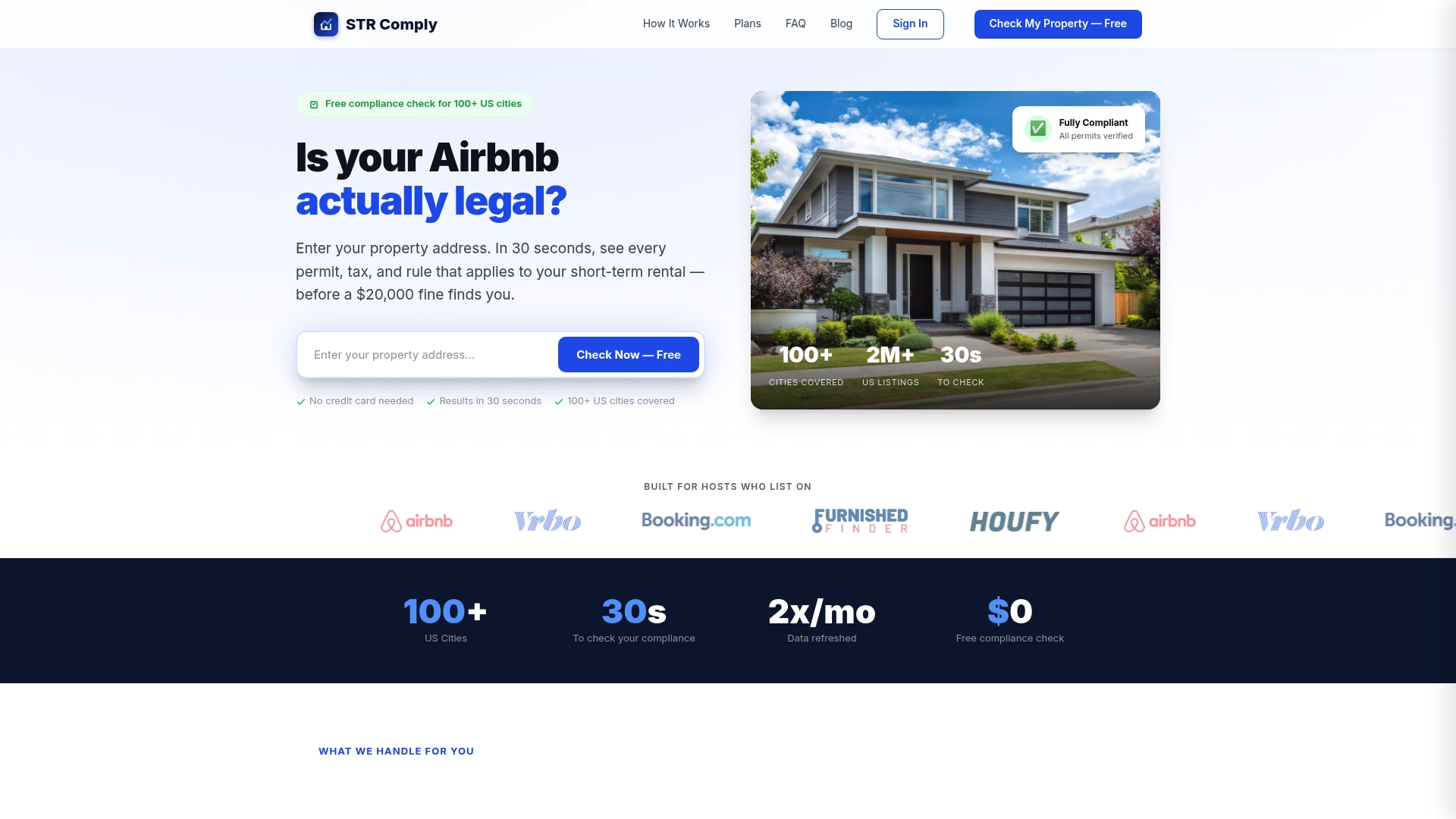
Strcomply gives property owners instant access to city-specific compliance summaries covering permit requirements, tax obligations, and operational restrictions. The free tool lets you check your listing’s compliance in under 30 seconds, without hours of legal research. Paid plans add permit tracking, renewal alerts, and regulatory update notifications so you never miss a deadline. Whether you manage one property or a portfolio across several states, Strcomply keeps your obligations visible and current. The property managers permit guide is a strong starting point if you want to understand the full scope of what compliance involves before you run your first check.
FAQ
What are the most common examples of permit requirements?
The most common permit requirements include building permits for structural changes, electrical permits for panel upgrades or new circuits, plumbing permits for fixture relocations, mechanical permits for HVAC installation, and zoning or use permits for short-term rental operations. Most renovation projects trigger at least two of these categories simultaneously.
Do short-term rental hosts need a special permit?
Many U.S. cities require a short-term rental license or conditional use permit before a property can be legally listed on platforms like Airbnb or VRBO. Requirements vary by municipality, so checking with your local building or planning department is the only reliable way to confirm what applies to your property.
How long does permit approval take?
Permit plan review timelines range from 1 day for simple residential projects to 8 weeks for complex commercial or renovation work. Project complexity, jurisdiction, and submission completeness all affect the timeline.
Can a homeowner pull their own permits?
A homeowner can pull permits as an owner-builder, but doing so requires signing an affidavit that waives contractor protections and places full code compliance liability on the homeowner. Using a licensed contractor transfers that liability and typically results in faster approvals.
What happens if you skip required permits?
Operating or renting a property without required permits can result in fines, forced removal of unpermitted work, and de-listing from rental platforms. In some jurisdictions, unpermitted work also creates title issues that complicate future property sales.
Recommended
Check your city's STR regulations
Free compliance reports for 100+ US cities. Permits, taxes, zoning — all in one place.
Check My Address — Free