
Property management permits are mandatory legal authorizations required to lease, rent, or manage properties on behalf of others. Understanding why property managers need permits is not optional knowledge. It is the foundation of every compliant, profitable management operation. Most U.S. states require compensated property managers to hold a real estate broker’s license or a specific property management license. The regulatory environment in 2026 is more complex than ever, with local governments, state real estate commissions, and zoning authorities each imposing their own rules. Platforms like Strcomply exist precisely because this complexity creates real legal and financial risk for managers who do not track their obligations.
Why property managers need permits: the legal foundation
Property management licensing is the industry’s standard term for the collection of permits, licenses, and authorizations that allow a manager to operate legally. The phrase “property management permits” covers everything from state-issued broker licenses to city-level rental operating permits.
Property managers are legally responsible for permits related to property use, safety, licensing, and maintenance. Failing these requirements can result in operational shutdowns or fines. This is not a technicality. It is the legal basis on which your entire management business rests.

Short-term rental regulations include licensing and permits, lodging taxes, zoning, occupancy and safety rules, and operational restrictions that vary significantly by jurisdiction. Local layers often carry the strictest and most variable rules. A permit that satisfies state law may still leave you exposed at the city or county level.
The importance of permits for property managers extends beyond avoiding fines. Permits signal to property owners, tenants, and insurers that you operate within a recognized legal framework. That credibility is a competitive advantage in a market where owners have many management options.
What types of permits and licenses do property managers need?
Property managers typically need several distinct categories of permits and licenses, each issued by a different authority and serving a different purpose.
| Permit Type | Issuing Authority | Typical Validity | Primary Purpose |
|---|---|---|---|
| Real estate broker’s license | State real estate commission | 1–2 years | Authorizes leasing and management for compensation |
| Business operation permit | City or county government | Annual | Allows commercial activity at a business address |
| Rental or short-term rental permit | Local municipality | Annual or per listing | Authorizes renting a specific property to tenants |
| Certificate of occupancy | Local building department | Indefinite or on renovation | Confirms property meets safety and zoning codes |
| Vendor certificate of insurance (COI) | Vendor’s insurer | Per policy term | Transfers liability from manager to vendor |
In North Carolina, for example, property managers must hold a real estate broker’s license to manage residential and commercial properties. This legal classification applies to leasing, renting, or managing activities. States like Montana and Oregon take a different approach. They offer property management licenses separate from general real estate licenses, often with fewer requirements. These variations mean the compliance checklist for a manager in Portland, Oregon looks nothing like the one for a manager in Raleigh, North Carolina.
Short-term rental hosts on Airbnb or VRBO face an additional layer. Most cities now require a specific short-term rental permit tied to the individual property address, separate from any state-level license. Some cities, including New York City and San Francisco, have imposed strict caps and registration systems that make operating without a permit a high-risk activity.
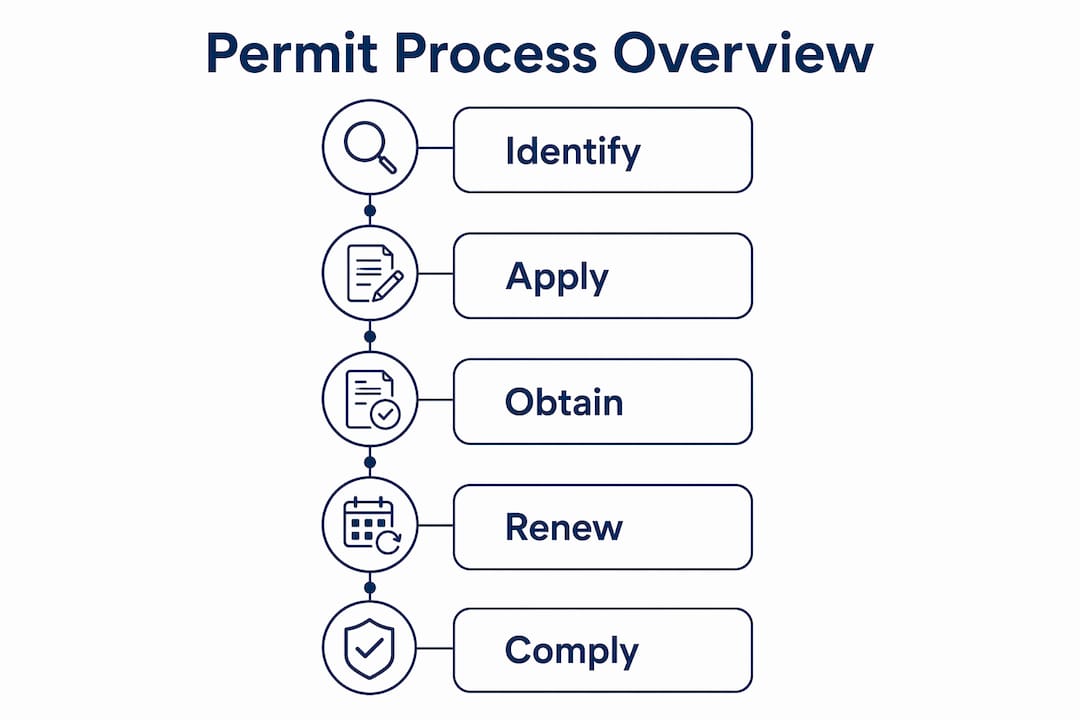
Pro Tip: Before you take on a new property in any market, check both the state license requirements and the local municipal permit requirements. These two layers are independent, and missing either one creates legal exposure.
How do permits protect property managers and owners?
Permits provide three distinct categories of protection: legal, financial, and reputational.
“Compliance failure is often silent, with a high risk of legal consequences. Rental license lapses cause eviction case dismissals and fines, while vendor COI lapses transfer liability directly to managers and owners.” — ExpiryEdge Property Management Compliance Checklist
The legal protection is direct. A valid rental license is often a prerequisite for filing an eviction case. If your license has lapsed, a judge can dismiss the case regardless of how strong your evidence is. That outcome costs you time, legal fees, and potentially months of unpaid rent.
The financial protection works through vendor compliance. Implementing a “no-work” rule that blocks maintenance orders when a vendor’s certificate of insurance has expired protects managers from liability. An uninsured contractor who is injured on your property can expose you to a lawsuit that your own insurance may not cover.
The reputational protection is less visible but equally important. Property owners choose managers they trust. A manager who has faced regulatory action, permit violations, or insurance gaps is a liability to an owner’s investment. Property management licenses protect owners and tenants by confirming that managers are qualified and regulated, which prevents fraud and mismanagement.
Key protections that active permits provide:
- Legal standing in eviction proceedings and tenant disputes
- Liability transfer through valid vendor certificates of insurance
- Zoning and safety compliance via certificates of occupancy
- Tax compliance through registered transient occupancy tax accounts
- Insurance validity since many policies require active permits to pay claims
What are the risks of managing without proper permits?
The consequences of operating without proper permits are specific, measurable, and often irreversible.
- Daily fines for unlicensed management. Many cities impose per-day penalties for operating a rental without a valid permit. These fines accumulate silently until an inspection or complaint triggers enforcement.
- Eviction case dismissal. Courts in multiple jurisdictions require proof of a valid rental license before hearing an eviction case. A lapsed license means you cannot remove a non-paying tenant through the legal process.
- Insurance claim denial. Insurers can deny claims if the property was operating without required permits at the time of the incident. This leaves managers and owners personally liable for damages.
- Platform de-listing. Airbnb and VRBO have increased enforcement of local permit requirements. Listings without valid permits are subject to removal, which eliminates revenue immediately.
- Lost management contracts. Property owners who discover their manager operated without required licenses have grounds to terminate contracts and pursue damages.
Many jurisdictions do not proactively notify managers of permit expiration, leading to silent non-compliance and legal exposure. This is the most dangerous aspect of permit management. You can be fully out of compliance without receiving a single warning. A manager overseeing 20 properties across three cities may have permits expiring on different dates under different rules, with no central system alerting them to the gaps.
Pro Tip: Set calendar reminders 90 days before every permit expiration date. Most renewal processes take 30–60 days, and late applications often trigger penalties even when the renewal is eventually approved.
How can property managers track permit requirements efficiently?
Managing permits manually across multiple jurisdictions is a significant risk and a growth limitation. Differing rules, tax rates, and renewal timelines make spreadsheet-based tracking unreliable at scale. Centralized automated permit tracking reduces non-compliance and operator workload.
Property management software platforms like AppFolio and Buildium offer document storage and task management features that can support permit tracking. For short-term rental hosts and managers focused specifically on regulatory compliance, specialized platforms provide more targeted functionality.
Key features a permit compliance system should include:
- Automated renewal alerts sent 60–90 days before expiration dates
- Jurisdiction-specific rule summaries covering permits, taxes, and zoning by city
- Vendor COI tracking with automatic flags when certificates expire
- Portfolio-level dashboards showing compliance status across all properties
- Regulatory update notifications when local rules change
The property management compliance checklist for 2026 is longer than it was five years ago. Cities that previously had no short-term rental rules have introduced permit requirements, tax registration mandates, and occupancy caps. Managers who relied on informal tracking methods are now finding gaps they did not know existed.
For multi-market operators, the challenge is not just knowing the rules. It is knowing when the rules change. Local ordinances shift regularly, and a permit that was valid under last year’s rules may require additional documentation or a new application under this year’s code. Platforms that monitor local ordinances and Airbnb compliance across markets give managers a structural advantage over those tracking requirements manually.
Effective permit management also requires integrating vendor compliance into the same system. A property manager who tracks their own licenses but ignores vendor COI expiration dates is still exposed to significant liability. The two compliance streams must be managed together.
Key takeaways
Property managers who operate without valid permits face eviction case dismissals, insurance denials, platform de-listing, and daily fines that accumulate without warning.
| Point | Details |
|---|---|
| Permits are a legal prerequisite | Most U.S. states require a broker’s license or property management license to manage properties for compensation. |
| Multiple permit types apply | Managers need state licenses, local rental permits, certificates of occupancy, and vendor COIs, each from a different authority. |
| Silent expiration is the top risk | Jurisdictions rarely send renewal alerts, so lapses accumulate unnoticed until enforcement or a legal proceeding exposes them. |
| Permits protect legal standing | A lapsed rental license can result in eviction case dismissal regardless of the strength of the underlying claim. |
| Automation reduces exposure | Centralized tracking with automated alerts is the only reliable method for multi-property, multi-jurisdiction compliance. |
The compliance gap most managers ignore
I have reviewed compliance situations across dozens of short-term rental markets, and the pattern is consistent. Managers who get into trouble are rarely the ones who ignored permits entirely. They are the ones who obtained permits correctly at the start and then let renewal management slip.
The first year of operating a new property tends to go well. The manager researches requirements, files applications, and gets everything in order. Then the renewal cycle begins, and without a system, dates get missed. A rental permit expires in March. A vendor’s COI lapses in July. By October, the manager is technically non-compliant on three fronts and has no idea.
The regulatory environment in 2026 is not forgiving of this pattern. Cities that were previously lenient about enforcement have introduced automated compliance checks tied to listing platforms. Airbnb now cross-references permit databases in several major markets. The window for operating in a gray area has closed.
My honest assessment is that the managers who will grow their portfolios successfully over the next five years are the ones who treat compliance as an operational system, not a one-time task. That means investing in tools that track renewals, monitor rule changes, and flag vendor gaps automatically. The cost of those tools is a fraction of a single fine or a single lost management contract.
You can review the rental legal penalties that apply in your market to understand exactly what is at stake. The numbers are sobering.
— Jure
Stay compliant with Strcomply
Permit tracking across multiple markets is a full-time operational challenge. Strcomply is built specifically to reduce that burden for short-term rental hosts and property managers operating on platforms like Airbnb and VRBO.
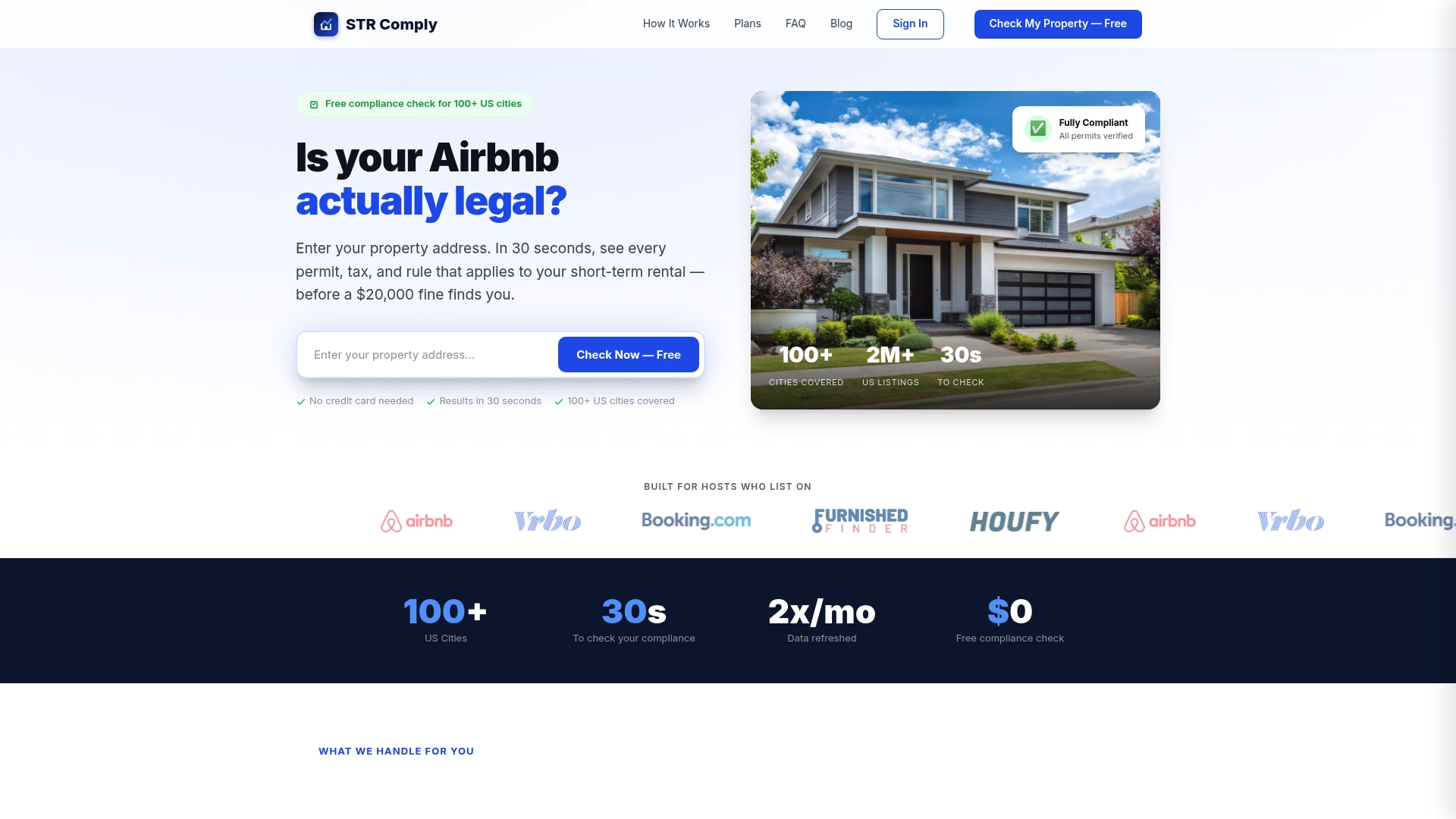
Strcomply’s free compliance check lets you verify whether a specific listing meets local permit requirements, tax obligations, and zoning rules in seconds. Paid plans include portfolio dashboards, automated renewal alerts, and regulatory update notifications so you never face a silent expiration again. If you manage properties across multiple cities, the risk of manual tracking is not worth taking. Check your listing’s compliance now and get a city-specific summary of every requirement that applies to your properties.
FAQ
Do all property managers need a license to operate?
Most U.S. states require compensated property managers to hold a real estate broker’s license or a dedicated property management license. A small number of states have no license requirement, but local permit obligations still apply in most markets.
What happens if a rental permit expires?
Permit lapses can cause eviction cases to be dismissed and trigger automatic fines in many jurisdictions. Most jurisdictions do not send expiration notices, so managers must track renewal dates proactively.
Are short-term rental permits different from standard rental licenses?
Yes. Short-term rental permits are typically issued at the city or county level and apply to individual property addresses. They exist separately from state broker licenses and often include additional requirements such as transient occupancy tax registration and safety inspections.
How do vendor certificates of insurance relate to permit compliance?
Vendor COIs are a form of operational compliance that protects managers from liability when contractors work on managed properties. An expired vendor COI transfers liability for any incident back to the property manager and owner.
Can i manage permits across multiple cities without specialized software?
Manual tracking across multiple jurisdictions is a documented growth limitation and risk factor for property managers. Centralized compliance platforms with automated alerts are the reliable alternative to spreadsheet-based tracking at scale.
Recommended
Check your city's STR regulations
Free compliance reports for 100+ US cities. Permits, taxes, zoning — all in one place.
Check My Address — Free